A well-built garden wall can completely transform your outdoor space. Whether you're looking to create privacy, define boundaries, support raised flower beds or simply improve the appearance of your garden, brick walls remain one of the most popular DIY projects for UK homeowners.
However, many people quickly discover that bricklaying is harder than it looks. Achieving straight lines, level courses and strong mortar joints requires skill, practice and the correct techniques.
If you're considering building your own garden wall in Birmingham, Coventry, Wolverhampton, Solihull or anywhere across the West Midlands, this guide will help you understand what's involved and why learning bricklaying skills beforehand can save you time, money and frustration.
Why Build a Garden Wall?
Garden walls offer several benefits:
- Increased privacy
- Improved security
- Better garden design and structure
- Raised planting areas
- Increased property appeal
- Long-lasting durability compared to timber fencing
Unlike fences, a properly constructed brick wall can last for decades with very little maintenance.
Step 1: Planning Your Garden Wall
Before laying your first brick, you'll need to consider:
Purpose
Is the wall decorative, structural, retaining soil, or marking a boundary?
Height
Different heights may require different foundations and, in some cases, planning permission.
Materials
Most homeowners choose between:
- Facing bricks
- Engineering bricks
- Reclaimed bricks
- Decorative brickwork
Location
Check for underground services and establish accurate boundary lines before starting work.
Step 2: Preparing the Foundations
One of the most common mistakes beginners make is underestimating the importance of foundations.
A typical garden wall foundation should:
- Be wider than the wall itself
- Extend below the frost line
- Be level throughout
- Use suitable concrete mixes
Even the best brickwork can fail if the foundations are inadequate.
Step 3: Mixing Mortar Correctly
The strength and workability of mortar are critical to the success of your wall.
Mortar that is:
- Too wet can weaken the structure.
- Too dry becomes difficult to work with.
- Poorly mixed can lead to inconsistent results.
Professional bricklayers learn how to achieve the correct consistency for different weather conditions and project requirements.
Step 4: Setting Out the First Course
The first course of bricks is arguably the most important.
Any mistakes made here are likely to continue throughout the wall.
Professional bricklayers use:
- String lines
- Spirit levels
- Profiles
- Gauging rods
These tools help maintain straightness, level courses and consistent joint sizes.
Step 5: Laying Bricks Correctly
Each brick should be:
- Positioned accurately
- Levelled correctly
- Fully bedded into mortar
- Aligned with adjacent bricks
Consistency is key.
Even small inaccuracies can become obvious as the wall progresses.
Common Beginner Mistakes
Many DIY builders encounter problems such as:
Uneven Courses
Walls that gradually slope or wave.
Poor Mortar Joints
Untidy joints that affect both appearance and strength.
Incorrect Brick Bonding
Weak patterns that reduce structural stability.
Rushing the Process
Bricklaying requires patience and attention to detail.
Should You Learn Bricklaying Before Starting?
For small projects, many homeowners choose to learn bricklaying before tackling their own garden wall.
Benefits include:
- Greater confidence
- Reduced material wastage
- Better finished results
- Improved understanding of construction principles
- The ability to tackle future projects independently
Many people discover that a short practical training course saves them hundreds or even thousands of pounds on future home improvements.
Learn Bricklaying at CBWA
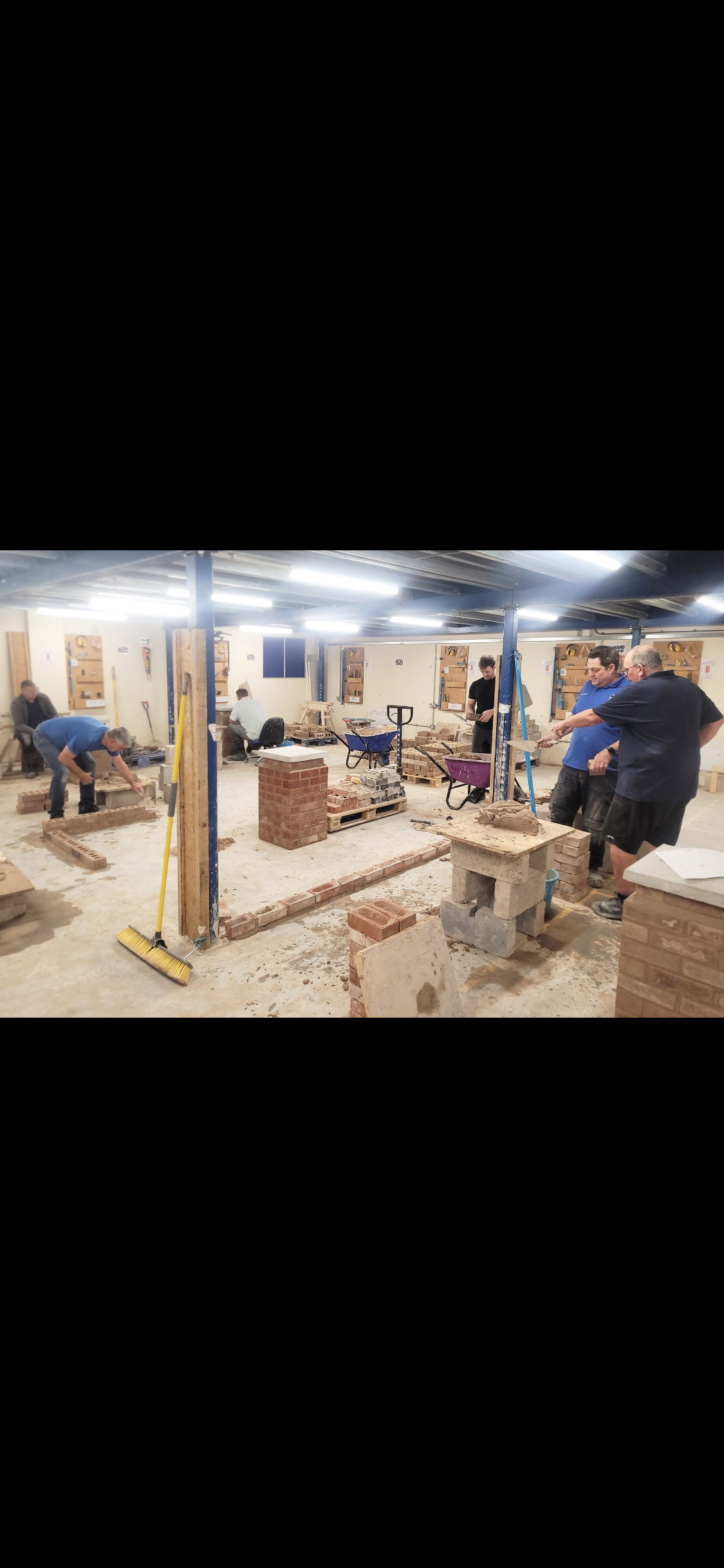
At Central Building & Welding Academy (CBWA) in Coventry, we regularly train homeowners who want to learn bricklaying skills for DIY projects.
Our practical bricklaying courses are designed for complete beginners and cover:
- Trowel skills
- Mortar application
- Brick bonding patterns
- Building straight and level walls
- Health and safety
- Practical construction techniques
Whether you're planning to build a garden wall, raised planters, a barbecue area or simply want to gain valuable trade skills, our hands-on training can help you achieve professional-looking results.
Thinking About Building Your Own Garden Wall?
Learning the correct techniques before you begin can make the difference between a wall that lasts for decades and one that requires costly repairs.
If you're based in Coventry, Birmingham, Leicester, Rugby, Nuneaton, Wolverhampton or elsewhere in the West Midlands, explore CBWA's bricklaying courses and gain the practical skills needed to complete your project with confidence.
Your next DIY success could start with learning from the professionals.

Check out our socials below!
Related Posts